
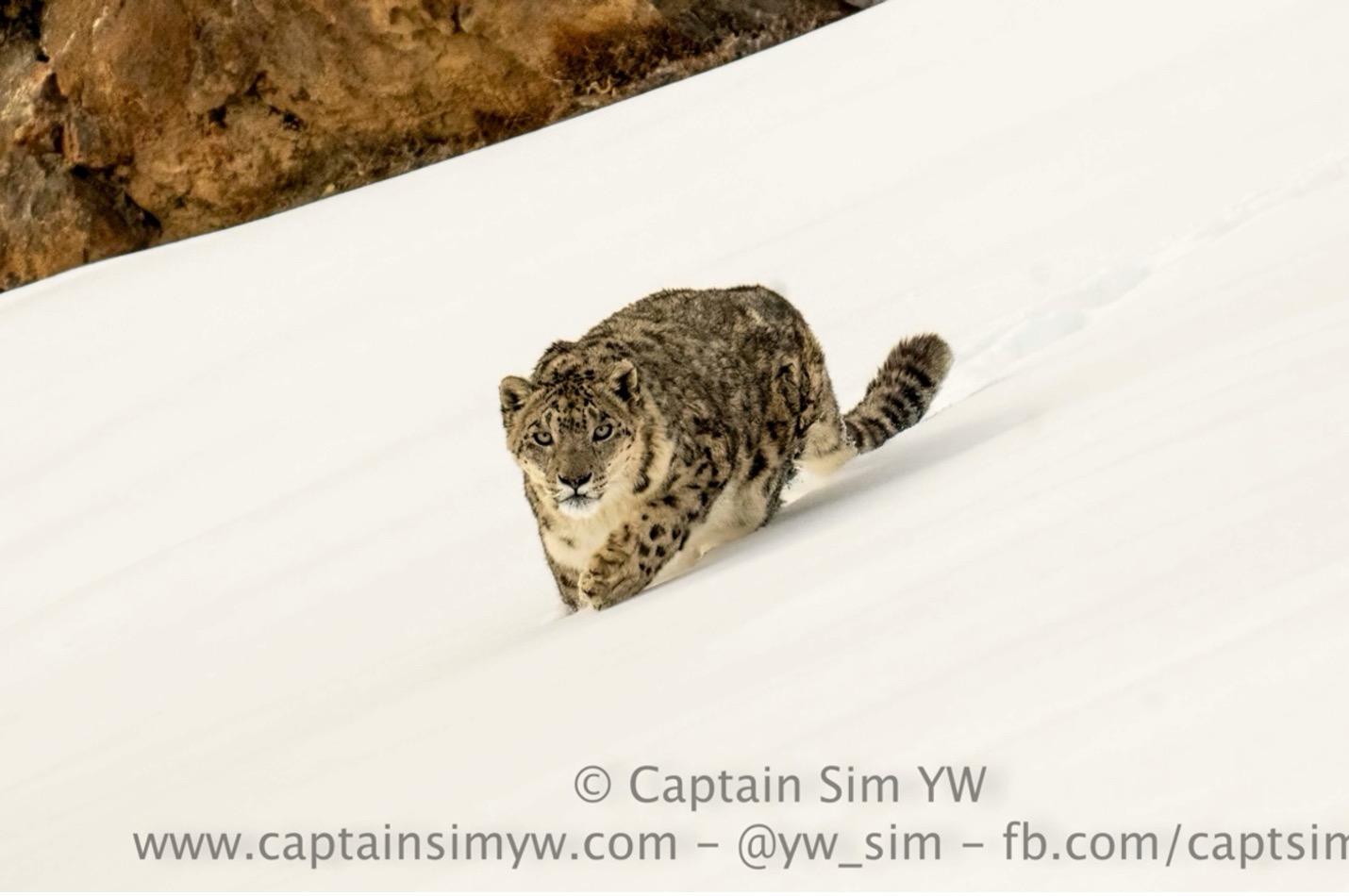
The ghost cat running towards us on a snow-covered slope, Spiti Valley
Getting There
From Kuala Lumpur we flew to Delhi, then connected to Chandigarh. From Chandigarh it was a three-day road journey into Spiti — and I use the word “journey” loosely. The roads are a different story altogether.
Steep drops on both sides, constant rockfalls, landslides blocking the way, stretches that had been half-washed away. You spend half the time watching workers patching things up and the other half wondering if the road will hold. It is treacherous, no other word for it.

The winding road into Spiti — narrow, exposed, and unforgettable

Roads under constant repair — this is just the reality of getting in and out of Spiti.
We passed through some remarkable scenery along the way. The Buddhist influence is everywhere up here — monasteries perched on ridgelines, prayer flags flapping in the wind. At Kibber, the giant gilded Buddha statue is hard to miss.

The giant Buddha at Kibber village, Spiti Valley
Accommodation was a local homestay — nothing fancy, but perfectly fine. We ate what the locals eat, which suited us well enough. The real discomfort was the altitude and the cold, not the bed.
The Team
We had a team of six spotters and guides to help us locate the snow leopards. These men know every ridge and gully in the valley. Without them, you would not stand a chance. My guide literally hauled me up a slope on day four when my legs had nothing left — more on that shortly.
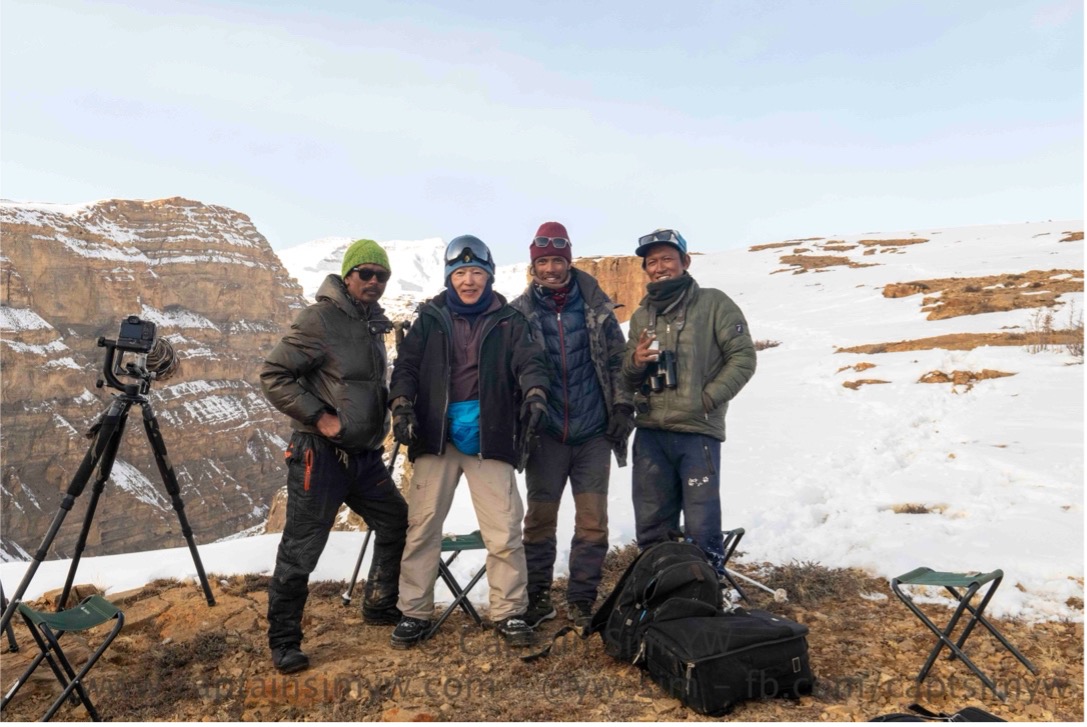
Me second from left and my two spotters and guide

Wei Seong at the edge of a very steep slope – a long way to fall down – with one of our guides keeping watch

Violet Soh one tough lady who never says no.
The Photography Challenge
We had sightings from day one, which was honestly more than I expected. The problem was distance. The snow leopards were on the far side of the valley, sometimes close to a kilometre away. At that range, atmospheric haze becomes your worst enemy. When the sun heats up the air and reflects off the snow, the light starts to shimmer and distort — your shots come out soft no matter how sharp your glass is.
The trick is to shoot early, before the sun gets high, or late in the afternoon when the light softens. Overcast days are actually ideal. The first three days were a constant battle with the light, and while we had sightings every single day, getting a properly sharp image was a real struggle.

Our main viewing point — the team set up here each day to scan the valley walls

Another shooting location.
The following shots were selected out of literally thousands that I shot most of them went down the thrash bin. These were the ones that were shot when the atmospheric condition were favourable.

First three days — sightings across the valley, but the atmospheric haze made clean shots nearly impossible at this distance

Two snow leopards resting together — sheltered beneath a rock overhang

One rolled onto its back in the snow — completely at ease

Surveying the valley from a snow-dusted ledge

Scaling the vertical rock face with effortless ease

Walking across a clean snow slope — you can see the paw prints in its wake
Day Four — The Three-Hour Trek
The evening before, the guides had spotted a fresh kill on the opposite side of the valley. Snow leopards make a kill and then return to feed over the following days, so first light the next morning we were up and moving.
It was a three-hour hike through knee-deep snow. Down into the valley, across, then up the other side. At minus 30 degrees Celsius. My guide was practically pushing me up that last slope. I would not have made it without him.
We got to the kill. The carcass was still there, but no snow leopard. Instead, a wild dog had beaten us to it and was helping himself to whatever remained.
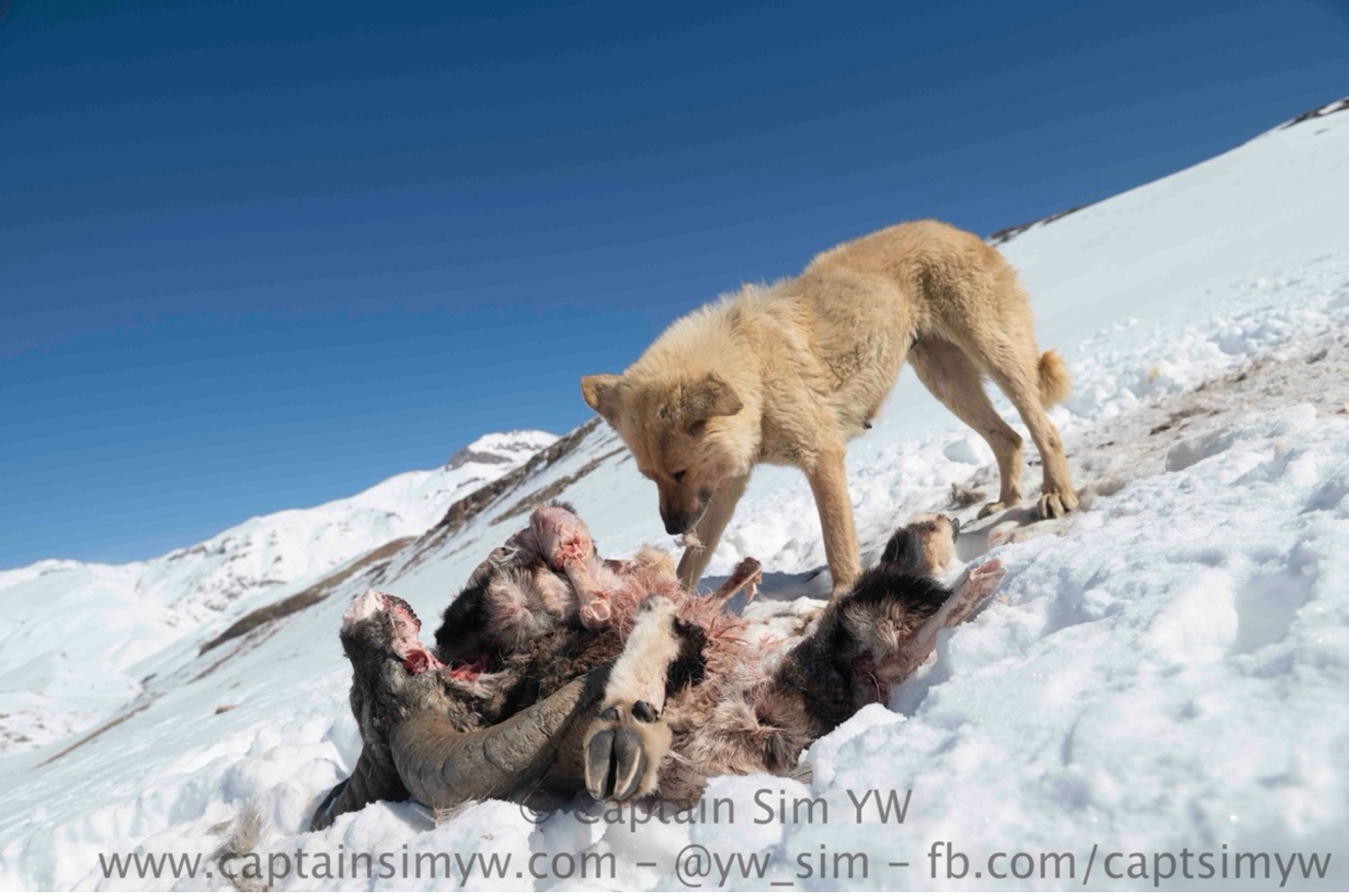
All that remained of the snow leopard’s kill — a wild dog had already claimed what was left
The Call That Changed Everything
Just as I was coming to terms with the disappointment, the guide’s walkie-talkie crackled. Another spotter about a mile away had a snow leopard in sight — same side of the valley as us, and close.
We ran back. The adrenalin must have cut the return hike to half the time. Minus 30 degrees C, knee-deep snow, and we were running. We piled into the car and drove as fast as the road would allow.
And it was still there when we arrived.
What followed was one of those rare moments in wildlife photography where everything just comes together. When I arrived at the spot, and looked over the cliff there he was no more than 100 meters away and walking straight towards me, and I fired away.
“The Ghost of the Mountains — spotted, stalking, watching, and bounding through its snowy kingdom. Five fleeting moments with one of Earth’s most elusive wild cats.”


Other Wildlife
Spiti is not just about snow leopards. The valley has a healthy population of bharal (Himalayan blue sheep), which are actually the snow leopard’s primary prey. We also came across Himalayan chukar partridges picking their way across the snow, and various small birds around the village areas.
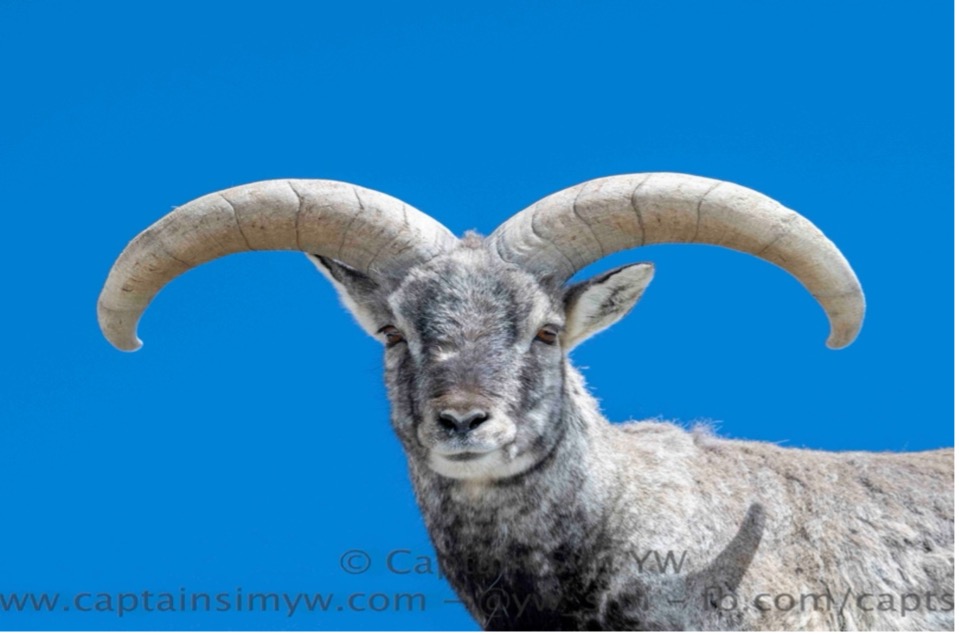
A bharal (Himalayan blue sheep) — the snow leopard’s main prey in this valley

Chukar partridges in the snow

A Steppe Eagle quartering low over the Spiti valley floor — wings fully spread, eyes already on whatever is moving below.
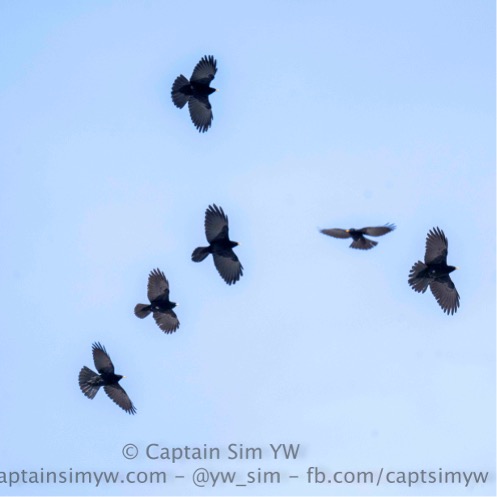
Yellow-billed Choughs riding the winds of Spiti.

More Yellow-billed Choughs.

Great Rosefinch (Carpodacus rubicilla rubicilla) A splash of rose in the rugged landscapes of Spiti.

Eurasian Tree Sparrow perched in quiet contemplation

Robin accentor (Prunella rubeculoides) perches on a weathered log in the stark, breathtaking landscape of Spiti Valley, Himachal Pradesh — a jewel of the Trans-Himalayan cold desert.”

A Rhesus Macaque fixes its amber gaze on the camera — wise, watchful, and utterly unbothered.

Güldenstädt’s Redstart (Phoenicurus erythrogastrus) a prized sighting among birdwatchers visiting the Himalayas.

White Wagtail (Motacilla alba) are ground foragers, constantly bobbing their tails — they love open rocky terrain, riverbanks and village edges.
Life in Spiti
The people living up here are remarkably self-sufficient. Despite the extreme conditions, there is a warmth and ease to village life. This local woman we came across was bottle-feeding a baby goat — it stopped us in our tracks.

Village life in Spiti — a local woman bottle-feeds a baby goat

A local Spitian woman is leading a domestic Yak (Bos grunniens) through Kibber. Yaks are absolutely central to Spitian life — providing milk, butter, meat, wool, and transportation.

A man is leading a small donkey/mule up a steep snow-covered hillside path, likely doing a routine chore — fetching supplies, firewood, or water – the reality of daily life in one of India’s most remote, high-altitude communities. When roads are blocked by snow, pack animals remain the only means of transport — a way of life unchanged for centuries.

A water-fetching expedition — a classic daily necessity in remote Spiti villages,
On the Way Home — Shimla
The drive back to Chandigarh took us through Shimla. I had not planned to shoot there, but as we arrived the sky turned —
On the return leg to Chandigarh, we spent a night in Shimla. Shimla is a hill station in Himachal Pradesh, sitting at around 2,200 metres in the lower Himalayas. It was the British colonial summer capital — the government would literally pack up and move here from Delhi every year to escape the heat. That history is still visible in the architecture: Victorian buildings, a Gothic church, a ridge lined with old colonial structures.
Today it’s a popular Indian tourist destination, known for the Mall Road promenade, the toy train that winds up from Kalka (a UNESCO heritage railway), and views of the surrounding pine-forested hills. In winter it gets snow, which draws visitors from the plains.

A young mother carries her baby through the busy market lanes of Shimla’s Mall Road — the red dupatta, the bindi, the chaos of the bazaar behind her. Everyday life in the hills.
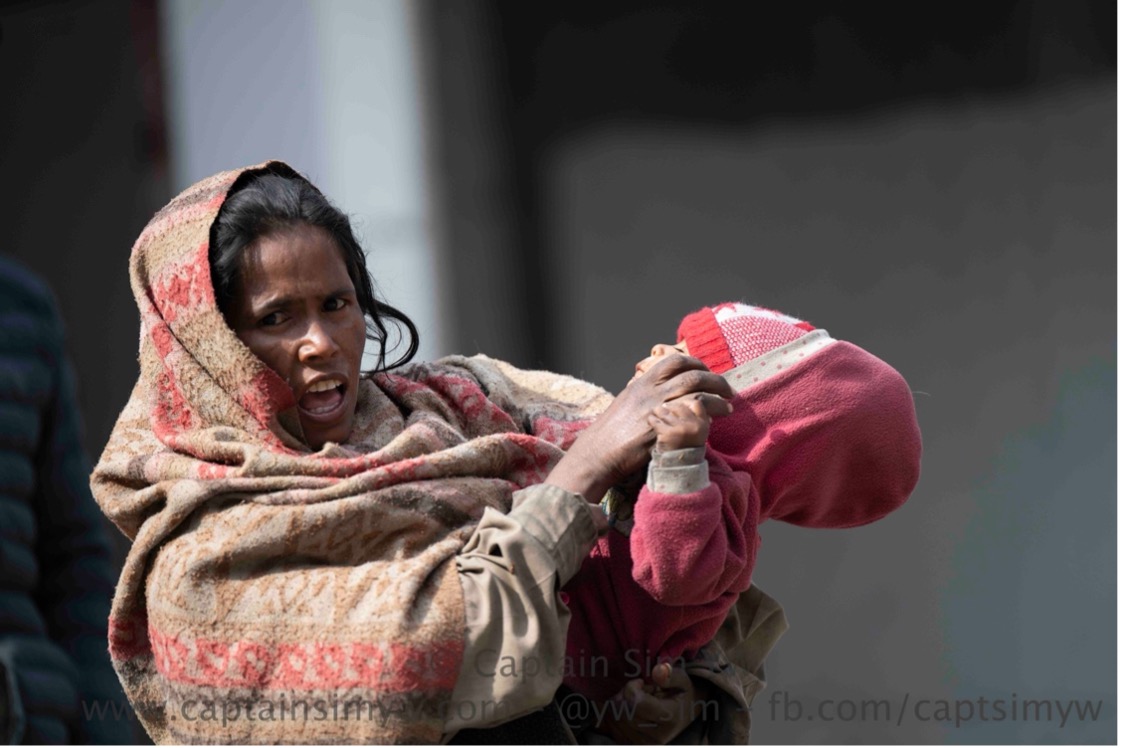
The other side of Shimla. A homeless mother and child on the street — wrapped in a worn shawl against the cold, her face carrying the full weight of it.

Two women, two ways of dressing — one in a classic navy saree, the other mixing traditional and contemporary with easy confidence. Shimla has that kind of style.

The man keeping Shimla moving — a traffic policeman in his distinctive white hat, one hand outstretched, doing his job in the middle of the organised chaos.

His entire restaurant balanced on his head. A veg momo vendor working the streets of Shimla — the whole setup, sauces and all, carried from corner to corner.

Shimla at dusk — a full rainbow over the hillside town. – after an afternoon of street photography, on entering my hotel room I was presented with this mesmerizing scene.
Final Thoughts
Spiti is not an easy destination. The roads are rough, the altitude hits you, the cold is relentless. But if you want to photograph snow leopards in the wild, this is one of the best places on earth to do it. The guide network here is exceptional — without them, none of this happens.
We had sightings every single day. Day four gave me the shot I had been after for years. A successful trip, a genuinely happy ending.
— Captain Sim YW
Tell us about your thoughtsWrite message